Open Today Sales: 8 AM-7 PMOpen Today Service: 8 AM-5:30 PM


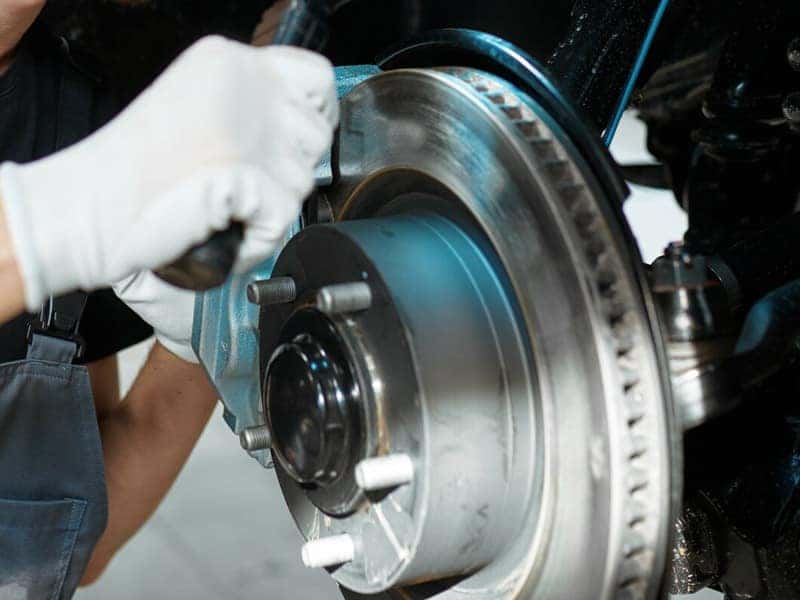
When unusual sounds emerge or something feels different during braking, it’s essential to entrust your Toyota’s brake system to our certified specialists at Nelson Toyota. Our factory-trained technicians exclusively use genuine Toyota parts, operate with specialized equipment, and receive continuous education to ensure your vehicle’s braking system delivers optimal performance in every situation. Your Toyota’s braking system represents its most fundamental safety feature, engineered to bring substantial momentum to a controlled halt precisely when needed. With contemporary Toyota models featuring sophisticated electronic braking systems that integrate with Toyota Safety Sense technologies, proper maintenance is essential for preserving these advanced safety capabilities that protect you and your passengers during routine driving and emergencies.
Maintaining your Toyota’s braking system extends beyond basic safety considerations – it represents essential preventative care that helps avoid costly future repairs. Your braking components naturally wear with each application, and disregarding minor issues can potentially lead to dangerous system failures or expensive damage to related parts. Well-maintained brakes provide immediate response during emergencies, potentially preventing accidents. They also help preserve associated components like rotors and calipers, extending their operational lifespan and reducing long-term ownership costs. Regular brake maintenance helps maintain factory-specified stopping distances, particularly during inclement weather when road surfaces offer reduced traction, and stopping distances naturally increase. At Nelson Toyota, we understand that dependable brakes safeguard what matters most – your family’s safety, vehicle investment, and peace of mind.
Never ignore these important indicators that suggest brake system issues. Squealing, grinding, or high-pitched noises during braking typically indicate worn pads requiring replacement. If your Toyota pulls toward one side while braking, this often points to uneven pad wear or hydraulic system imbalances. A soft or spongy brake pedal suggests air in the brake lines or master cylinder performance issues. Vibrations or pulsations felt through the pedal frequently indicate warped rotors. Increased stopping distances signal diminished braking capability, requiring immediate attention. Visible brake fluid leaks appear as clear yellowish liquid beneath your vehicle. Dashboard warning lights should always prompt professional inspection. Our expert technicians thoroughly diagnose these symptoms to restore your Toyota’s braking performance to factory specifications, ensuring your Camry, Tundra, or RAV4 maintains the reliable stopping power you depend on for everyday driving confidence.
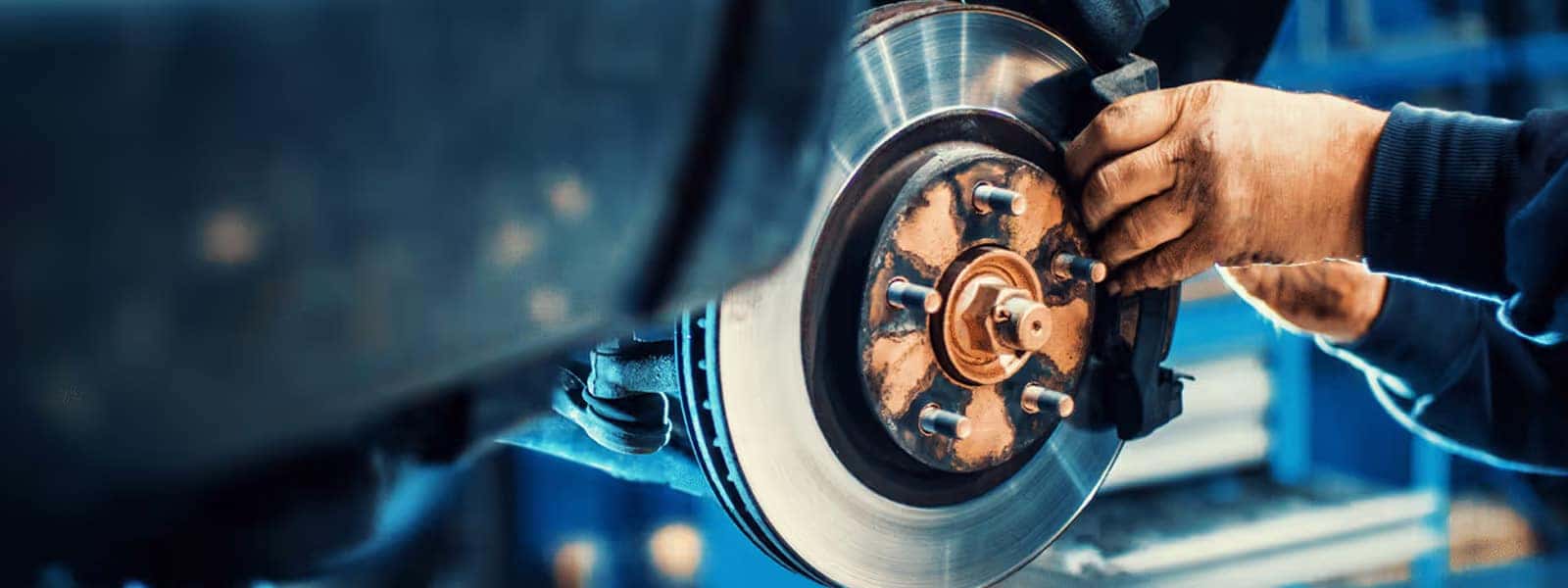
Conveniently located in Stanleytown, Henry County, Virginia, Nelson Toyota offers services that exceed expectations for any ordinary dealership. With our state-of-the-art equipment and the extensive knowledge and experience of our Toyota Certified Technicians, we can handle nearly any vehicle service or repair. While our skilled technicians care for your vehicle, enjoy the fantastic amenities in our comfortable customer waiting area. Schedule your Toyota brake repair online or call our service department today.
Your Toyota may need brake service if you notice squealing or grinding noises, a soft brake pedal, vibrations during braking, pulling to one side, or increased stopping distance. These symptoms are particularly concerning during rainstorms, when slippery conditions already extend stopping distances.
Toyota recommends having your brakes professionally inspected at least once a year or every 12,000 miles, whichever comes first. Models with high-performance brake systems may require more specialized attention, while vehicles with regenerative braking systems like the Prius and RAV4 Hybrid have unique service requirements.
Squealing brakes typically occur when brake pads wear down to their wear indicators or when dirt, rust, or moisture is on the rotors. Performance-oriented braking systems in models like the GR86 sometimes produce more noise due to their high-performance pad compounds designed for better stopping power.
Brake pads are replaceable friction material that presses against the rotors (smooth, round metal discs attached to each wheel) when you apply the brakes. This interaction converts your vehicle’s kinetic energy into heat energy, slowing the wheels’ rotation and bringing your vehicle to a stop.
Toyota brake pads typically last between 30,000 and 70,000 miles, while rotors generally have a longer lifespan of approximately 50,000 to 70,000 miles. These ranges vary based on driving style and conditions, with stop-and-go traffic accelerating wear patterns.
When your Toyota pulls during braking, this usually indicates an imbalance in your braking system from uneven pad wear, a stuck caliper, contaminated fluid, or a restricted brake line. In some cases, this symptom could also relate to suspension or alignment issues that require immediate attention.
You can replace just the brake pads if your rotors are in good condition with adequate thickness and a smooth, even surface. However, if your rotors show signs of warping, deep grooves, excessive wear, or heat damage, they should be replaced or resurfaced along with the pads.
A brake warning light indicates a potentially serious issue requiring immediate attention, possibly signaling low fluid levels, worn pads, or a system malfunction. For your safety, minimize driving and have your vehicle inspected promptly, as modern Toyota vehicles rely on properly functioning brake systems for emergency braking features.
Most standard brake repairs take 1-3 hours, depending on the specific service needed. Simple pad replacements can often be completed in about an hour, while more comprehensive services involving rotors, calipers, or brake lines may require additional time.