Open Today Sales: 8 AM-7 PMOpen Today Service: 8 AM-5:30 PM


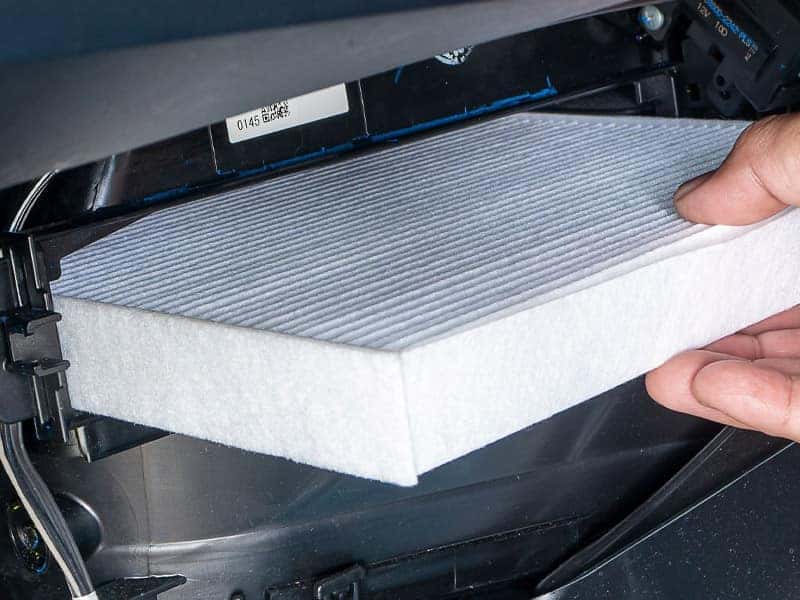
Your Toyota’s cabin air filter is a vital respiratory barrier for your vehicle’s interior environment, efficiently capturing and preventing airborne pollutants from entering your ventilation system. This unassuming component continuously intercepts dust, pollen, road debris, and exhaust particulates before circulating inside your cabin. A well-maintained cabin air filter is particularly beneficial for Toyota owners who suffer from seasonal allergies or respiratory conditions, as it can significantly reduce exposure to common irritants while providing a cleaner breathing environment for all passengers during both short commutes and extended journeys.
Contemporary Toyota models incorporate sophisticated multi-layered filtration technology engineered to trap contaminants far smaller than the human eye can detect. Premium Toyota vehicles like the Highlander and Avalon often feature enhanced filtration systems with electrostatic and activated carbon elements that capture microscopic particles and neutralize unpleasant odors and harmful gases encountered in daily driving conditions. These advanced filters work silently to maintain exceptional air quality, creating a healthier environment inside your Toyota regardless of external air conditions. The multi-stage design of these systems can effectively remove up to 98% of airborne particles, providing Toyota drivers and passengers with noticeably cleaner air.
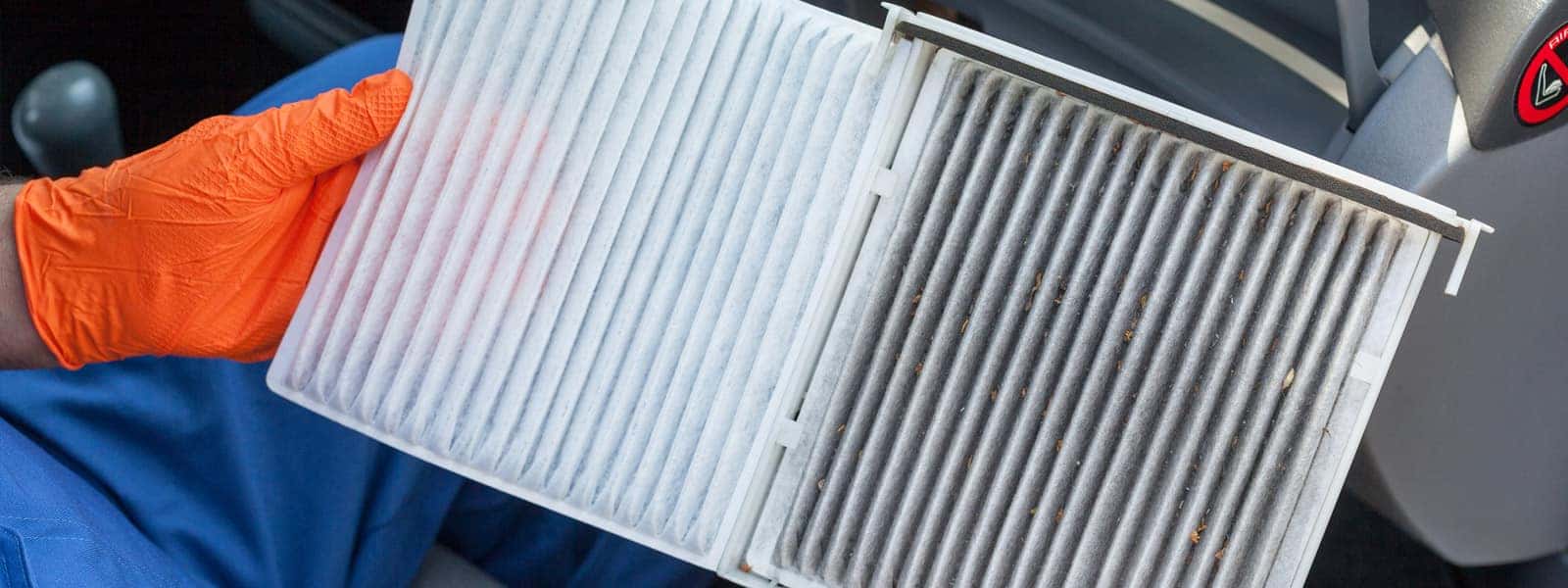
As your Toyota’s cabin air filter performs its essential function, it gradually accumulates the contaminants it’s designed to capture, which compromises its effectiveness and can restrict proper airflow through your vehicle’s climate control system. This reduction in performance is particularly noticeable during periods of high HVAC demand. Regular inspection and timely replacement ensure continued optimal air quality and preserve the efficiency of your Toyota’s ventilation system. Most Toyota models require cabin air filter replacement at specific maintenance intervals, though driving environments with higher pollution levels may necessitate more frequent service. Our certified Toyota technicians at Nelson Toyota can quickly evaluate and replace your cabin air filter during routine maintenance visits.
Conveniently located in Stanleytown, Henry County, Virginia, Nelson Toyota offers services that exceed expectations for any ordinary dealership. With our state-of-the-art equipment and the extensive knowledge and experience of our Toyota Certified Technicians, we can handle nearly any vehicle service or repair. While our skilled technicians care for your vehicle, enjoy the fantastic amenities in our comfortable customer waiting area. Schedule your Toyota cabin air filter replacement online or call our service department today.
A cabin air filter is a specialized component installed in your Toyota’s HVAC system that traps dust, pollen, mold spores, and exhaust fumes before they enter the passenger compartment. It functions similarly to your home’s air filter but is engineered specifically for automotive applications with limited space and high airflow demands.
Toyota recommends replacing your cabin air filter every 15,000 to 30,000 miles under normal driving conditions, or more frequently if you drive in areas with poor air quality. Environmental factors, including construction zones, high pollen counts, and urban pollution, can accelerate filter contamination, especially in models with sophisticated climate control systems like the Camry and RAV4.
A clogged cabin air filter forces your blower motor to work harder, potentially leading to premature failure and costly repairs. It also becomes ineffective at trapping contaminants and can become a breeding ground for bacteria and mold, causing unpleasant odors and potential respiratory irritation for you and your passengers.
The cabin air filter significantly impacts your Toyota’s climate control performance by regulating airflow through critical components like the evaporator and heater core. A clogged filter reduces airflow volume, forcing your system to work harder to achieve desired temperatures, which increases fuel consumption and accelerates wear on system components.
Most Toyota models feature relatively accessible cabin air filters that owners with basic mechanical knowledge can replace themselves. However, some models like the Supra or newer Venza have filters in more challenging positions that may require professional service to avoid damage to dashboard components.
Common indicators include reduced airflow from vents, unusual whistling noises from the dashboard, or persistent musty odors that intensify when the fan is running. You might also notice windows fogging more quickly than usual or visible debris being expelled from vents when the system is first activated.
Cabin air filters vary significantly in design, filtration capability, and construction quality. Basic filters trap dust and larger allergens, while premium filters incorporate multiple layers, including activated carbon that neutralizes odors, absorbs harmful gases, and captures microscopic contaminants for superior air quality in your Toyota.
In most Toyota models, the cabin air filter is positioned behind the glove compartment, allowing straightforward access by releasing the compartment’s side clips. Some newer models feature alternate locations such as under the dashboard or behind access panels in the lower dash area for improved serviceability.